


Discover the common mistakes that new Sudoku players make and how to fix them. Learn strategies, number placement tips, and improve your logical thinking quickly.
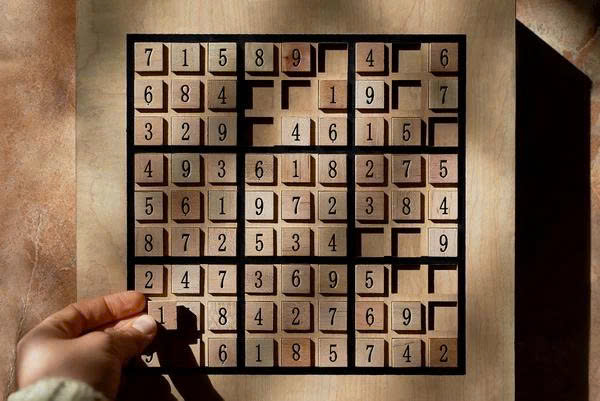
Sudoku is a challenging logic game that helps improve memory, concentration, and problem-solving skills. However, for beginners, getting familiar with the rules and strategies can be tricky. In this article, we’ll explore the most common mistakes new Sudoku players make and how to avoid them.
Not understanding the basic rules of Sudoku
One of the most common mistakes is not fully understanding the basic rules:
- Each row must contain the numbers 1 through 9 without repetition.
- Each column must contain the numbers 1 through 9 without repetition.
- Each 3×3 box must contain the numbers 1 through 9 without repetition.
Beginners often place numbers randomly without checking the rows, columns, and 3×3 boxes carefully, leading to mistakes and incomplete puzzles.
How to fix it: Always double-check before placing a number. Get into the habit of scanning the row, column, and 3×3 box before deciding on the final number.
Prioritizing speed over logic
Many new players want to solve puzzles quickly, skipping the logical steps. This often results in mistakes that need constant correction.
How to fix it: Focus on small logical steps. Note the possible numbers for each cell and only fill in a number when you’re certain. Remember, Sudoku rewards patience, not speed.
Not using pencil marks
Small notes in each cell are extremely helpful, yet many beginners ignore them. Not using pencil marks makes it easy to forget possible numbers and increases the likelihood of mistakes.
How to fix it: Use pencil marks to track possible numbers for each cell. Only write the final number in the cell once you are certain.
Skipping the check
Beginners often don’t review the board after placing numbers, which can cause cascading mistakes. A small error in one cell can throw off the entire puzzle.
How to fix it: After placing a few numbers, review the rows, columns, and 3×3 boxes to ensure there are no repeated numbers.
Choosing a difficulty level that’s too high
Sudoku comes in various difficulty levels: easy, medium, hard, and expert. New players often jump into harder puzzles without experience, which can be frustrating.
How to fix it: Start with easy puzzles. Learn to recognize basic patterns and strategies before moving on to more difficult levels.
Playing Sudoku is not just about filling in numbers – it’s about training your logical thinking, patience, and observation skills. Avoid common mistakes like placing numbers randomly, ignoring pencil marks, or skipping board checks, and you’ll quickly become a more skilled player.
Practice step by step, start from easy puzzles and gradually move to harder ones, and enjoy the satisfaction of solving Sudoku puzzles smartly!
