


Discover how to assess Sudoku difficulty levels and choose puzzles that match your skill. This guide covers key evaluation methods, solving techniques, and tips to help you improve your logical thinking.
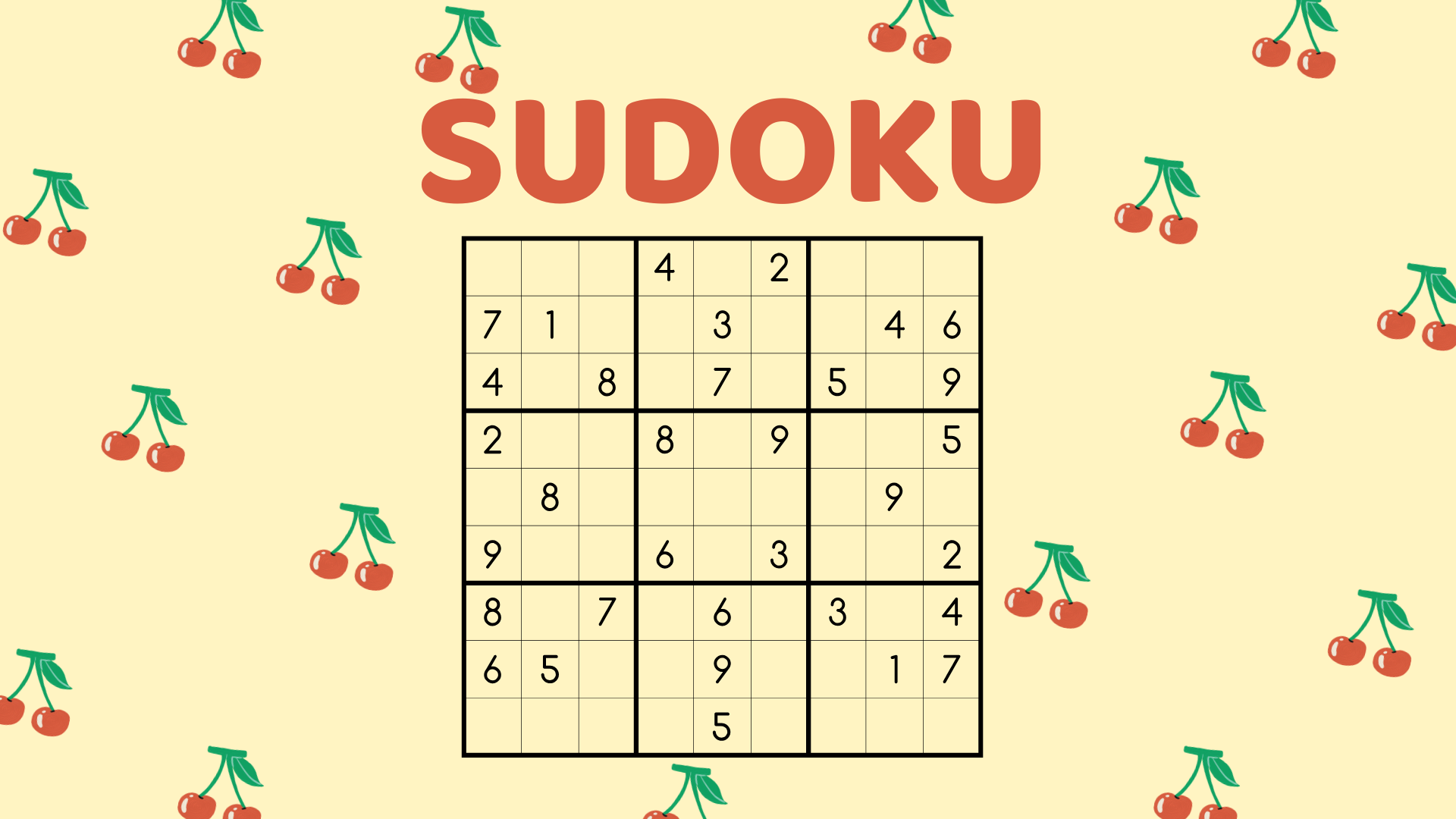
Sudoku is a globally popular logic game that enhances critical thinking and concentration. However, not all Sudoku grids share the same level of difficulty. So, how can we measure how challenging a Sudoku puzzle truly is? In this article, we’ll explore in detail how to assess the difficulty of different Sudoku puzzles.
What determines the difficulty of a Sudoku Puzzle?
The difficulty of a Sudoku puzzle is not solely based on the number of empty cells; it also depends on how the given numbers are arranged. Some puzzles may contain fewer empty cells but are still highly challenging due to complex number distributions that require advanced logical techniques.
Factors that affect difficulty:
- Number of empty cells: More empty cells generally mean a greater challenge.
- Number distribution: Whether the given numbers are clustered or spread evenly can make the puzzle easier or more difficult.
- Solving strategy: Some puzzles can be solved using basic elimination, while others require advanced techniques like X-Wing or Swordfish.
Methods for measuring Sudoku difficulty
There are several ways to determine the difficulty of a Sudoku puzzle, ranging from manual assessment to the use of specialized software.
Based on the number of empty cells
A simple method is to count the number of empty cells. However, this approach is only approximate because true difficulty also depends on how the numbers are positioned.
Based on required solving techniques
Sudoku puzzles can be categorized by the techniques needed to solve them:
- Easy: Only basic elimination and simple logic steps.
- Medium: Requires a combination of several basic logical techniques.
- Hard: Involves advanced techniques such as Naked Pair or Hidden Triple.
- Very hard: Demands complex strategies and multi-step logical reasoning.
Using computer algorithms
Modern Sudoku software can evaluate puzzle difficulty based on:
- Minimum number of logical steps required
- Number of techniques involved
- Estimated time needed for an average player
Tips for choosing Sudoku Puzzles suitable for your skill level
To improve your Sudoku-solving skills without getting discouraged, you should:
- Start with easy puzzles if you are new to Sudoku.
- Gradually move from medium to hard puzzles once you master basic techniques.
- Practice advanced techniques regularly to solve challenging puzzles without getting stuck.
Measuring the difficulty of a Sudoku puzzle is not as simple as counting empty cells. It involves various factors such as number distribution, solving techniques, and logical reasoning. Understanding how to evaluate difficulty helps you choose puzzles that fit your skill level and steadily improve your Sudoku-solving abilities.
If you’re looking for Sudoku puzzles suitable for your level, start with easy ones and gradually move up to hard or very hard challenges. You can visit Game Sudoku Online to explore a wide variety of puzzles and practice advanced solving techniques.
