


Sudoku has long been a familiar brain game, helping players sharpen their logical thinking and concentration. But instead of only solving pre-made puzzles, you can absolutely create your own Sudoku with a personal touch. So how do you make a proper and engaging Sudoku puzzle? Let’s explore the details below.
What is Sudoku?
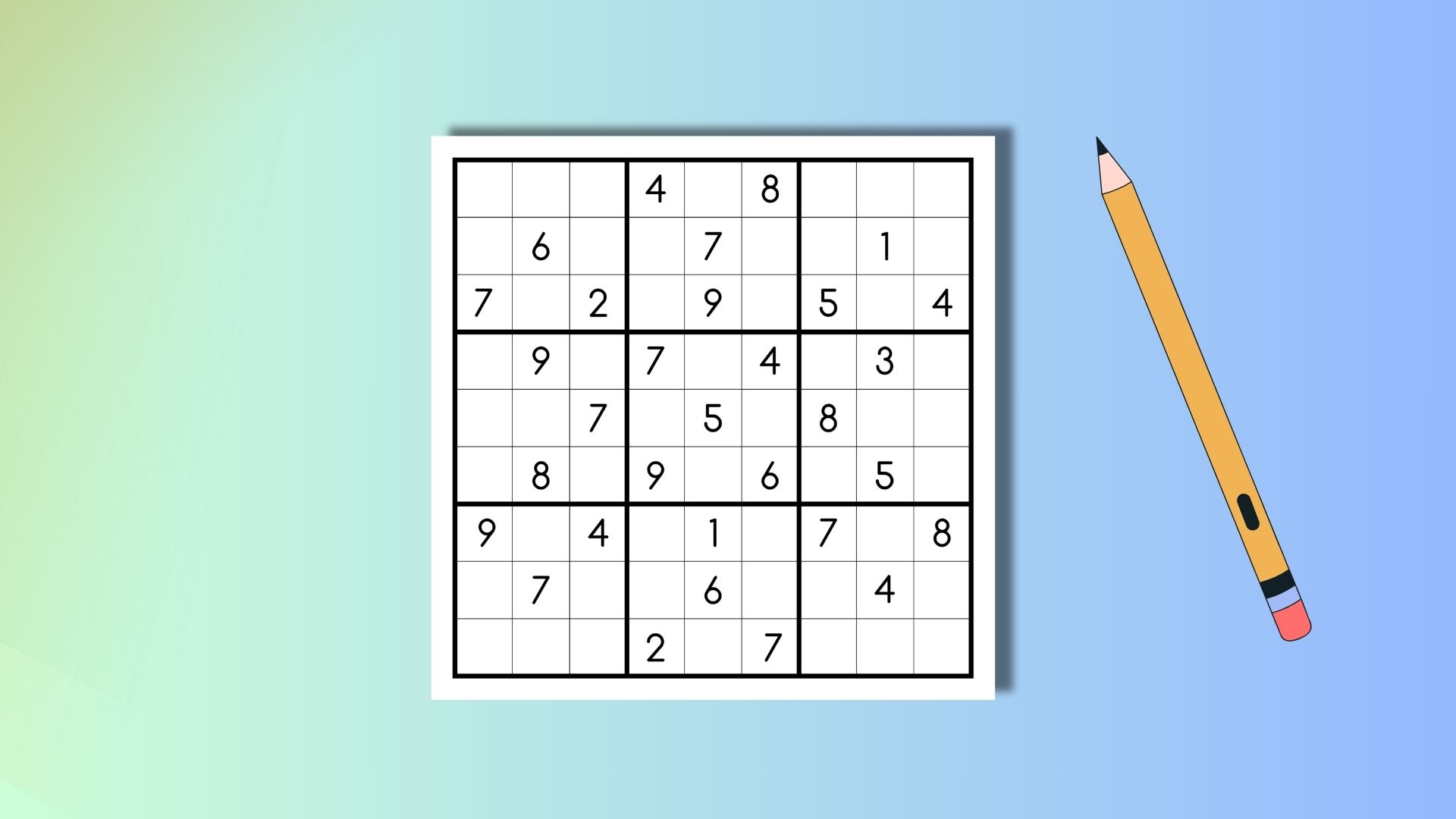
Sudoku is a number-placement puzzle played on a 9×9 grid. The player’s task is to fill in the empty cells with numbers from 1 to 9 so that each row, each column, and each 3×3 subgrid contains no repeated numbers. It may sound simple, but the initial arrangement of numbers is what determines the difficulty and appeal of each puzzle.
Why create your own Sudoku?
Creating your own Sudoku puzzles not only offers a fresh experience but also helps you gain a deeper understanding of the game’s structure. By building a puzzle yourself, you’ll gradually learn how numbers interact with one another, which enhances your logical thinking. For those developing websites or game apps, creating original content also makes your product more unique and distinctive.
Basic steps to create a Sudoku puzzle
To create a complete Sudoku puzzle, you should start with a fully filled and valid grid. This means every row, column, and 3×3 subgrid contains all digits from 1 to 9 without duplication. You can construct this grid manually if you have experience, or use online Sudoku generators to save time.
Once you have a completed grid, the next step is to remove some numbers to form the puzzle. The number of cells you remove directly affects the difficulty level. Keeping more numbers makes the puzzle easier; removing more increases the difficulty. However, it is crucial that the resulting puzzle has a unique solution to avoid confusion and ensure a good player experience.
Verifying the puzzle’s validity is an essential step. A good Sudoku puzzle should be solvable through logic rather than guesswork. You can use solver tools to check quickly or solve it yourself if you have sufficient experience.
Advanced Sudoku creation techniques
For game or website developers, Sudoku generation can be automated using algorithms. One of the most common methods is the backtracking algorithm, which efficiently generates valid grids. Another approach is the Dancing Links algorithm, based on Algorithm X, which is often used to solve and verify Sudoku puzzles with high performance.
Additionally, randomizing the grid by swapping rows, columns, or 3×3 subgrids can create many different variations while maintaining validity. This is a useful way to generate a large number of puzzles for users.
Tips for creating engaging Sudoku puzzles
A good Sudoku puzzle is not only correct but also provides a smooth and enjoyable experience. Clearly defined difficulty levels help players choose puzzles that match their skill. Moreover, a well-designed puzzle should have a clear logical solving path, allowing players to progress step by step rather than getting stuck.
Before publishing a puzzle on a website or app, it’s important to test the actual user experience to ensure content quality.
Tools for creating Sudoku
Today, there are many tools available to help generate and verify Sudoku puzzles. Online generators can quickly produce valid grids, while solver tools help confirm the uniqueness of solutions. If you’re a programmer, you can also use libraries or write your own code to create Sudoku puzzles tailored to your needs.
Creating a Sudoku puzzle is not as complicated as it may seem once you understand the basic principles and process. Whether you’re a fan of the game or building a Sudoku-related product, designing your own puzzles can bring significant value in both user experience and creative content. Give it a try today and discover a whole new side of Sudoku.
